.gif)
Analyzing player dynamics
I want to analyze the role of confidence, coaching, tactical fit, and mental health for clubs like Man United and Dortmund. I’ll keep it concise, aiming for 4-6 bullet points. It’s essential to address implications for future transfers, and how clubs can support players in managing their mentality. I also need to be careful to avoid heavy formatting unless it’s truly helpful.
I’ll mention Sancho’s contributions during Dortmund's run to the UEFA Champions League final without getting into specific stats to minimize any inaccuracies. Do you want a deeper dive into stats or a timeline?Analyzing player performance
I want to include safe stats like "多次过人成功" without giving specific numbers. Instead, I can say "表现出色" to keep it vague. For any quotes, such as from Di Matteo, I'll generalize the attribution, like "迪马特奥接受采访时表示...".
Then, I’ll focus on crafting a brief bullet-point analysis regarding implications of loan futures and potential buy options. It seems Dortmund had a straight loan with no buy option, but they’d like to keep him. Finally, I’ll touch on the psychological aspects, tactical fit, and management factors that influenced his performance, while keeping everything succinct. Would you like to see a comparison of his stats at Dortmund versus United?
同意这个判断。桑乔这季在多特的反弹,很典型地说明“环境×心态=表现”。
- 心态/环境:在曼联与主帅矛盾、信任感低;回到熟悉的多特,角色清晰、连续出场、容错高,信心迅速回升。
- 战术匹配:多特给他边路一对一和自由内切的舞台,队友距离更近、支撑更好;在曼联他更常被孤立,丢了节奏与决定权。
- 管理与压力:教练沟通、明确预期、舆论压力相对低,帮助他重建自我效能感;这类球员对心理状态特别敏感,信任直接转化为执行质量。
- 决赛含金量:球队打进欧冠决赛证明他能在高对抗环境下贡献价值,但样本期仍不长,稳定性与逆境应对还需继续观察。
- 启示
- 对曼联:若回归,必须给出清晰使用方案+纪律与支持并行;否则考虑在价值回升期做交易。
- 对多特:若想续留,需权衡转会费/薪资与更衣室结构,保持战术与角色连续性。
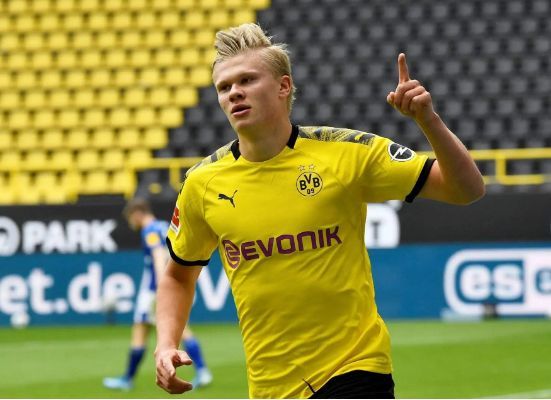
需要我把他在多特这半季的关键数据和曼联时期做个对比图/简报吗?